Fast Drying Finishes for Weekend Furniture Projects on Tight Schedules
You know the drill. Saturday morning rolls around. You’ve got exactly 48 hours before Monday punches you in the face. You sand your piece, wipe it down, crack open that can of oil-based polyurethane, and... now you wait. And wait. Sixteen hours between coats? In what universe is that a weekend furniture project? It’s a hostage situation. Here’s the thing: you don’t need museum-grade build-up on a farmhouse table you built for your patio. You need a fast drying wood finish that lets you apply, wait, sand, and topcoat before the sun goes down. There are options. Good ones. And they don’t require a spray booth the size of an airplane hangar.
The Small-Space Squeeze Is Real
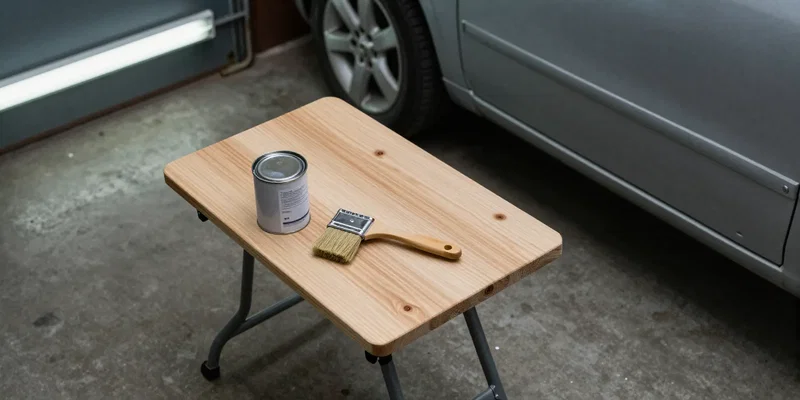
Most of us aren’t working in 3,000-square-foot shops. You’re probably set up in a garage that still has a car in it. Maybe a basement with one window. Maybe a balcony. That’s why quick furniture finishing isn’t just about dry time; it’s about not killing yourself with fumes in a shoebox. Water-based finishes are your friend here. They stink less, clean up with soap and water, and they dry before your pizza arrives. Shellac? Even better. You can recoat in forty-five minutes, and the smell is basically booze. Your neighbor might think you’re day-drinking, but hey, your project will be done by Sunday night.
Shellac and Lacquer Don’t Mess Around
If you want to feel like a magician, brush on some shellac. It flashes off so fast you’ll think your brush is broken. Cut it with denatured alcohol, lay down thin coats, and you’re stacking three passes in one afternoon. Lacquer is the same beast, though it’s nastier to breathe. But here’s the thing: for a weekend furniture project, speed wins. Oil-based varnish looks gorgeous. I get it. I love the amber glow too. But waiting a day between coats when you only have two days total? That’s just poor planning. Grab a can of dewaxed shellac or a pre-catalyzed lacquer from your local supplier. Your timeline will thank you. Your lungs might too, if you wear a respirator. Actually, wear a respirator.
Water-Based Finishes Finally Grew Up
For years, water-based topcoats looked like plastic wrap dipped in sadness. But manufacturers got their act together. Modern water-based finishes go on milky, dry crystal clear, and level out better than you’d expect. They’re the secret weapon for DIY woodworking when you don’t have a week to babysit a project. I’ve sprayed water-based lacquer on a coffee table at 9 a.m., buffed it by noon, and had beers on it by dinner. Try that with Danish oil. You’ll still be wiping off the excess next Tuesday. Pick a quality brand, thin it if needed, and don’t overwork it. The finish dries fast. Your brushstrokes don’t get a second chance to self-level. Move with confidence.
Cheats to Cut Dry Time Even More
You can buy the fastest finish on the planet and still screw it up by globbing it on. Thin coats. That’s the mantra. Two thin coats beat one thick, gloppy mess every single time. Set up a box fan. Crank the heat if it’s cold. Warm wood drinks finish differently than cold wood. It’s physics, or chemistry, or some science I slept through. But it works. For a true weekend furniture project, sand your piece Friday night. Saturday morning, vacuum like you’re allergic to dust. Then start finishing by 10 a.m. With a fast drying wood finish, you’re applying coat two by lunch, coat three by four, and you’re watching a movie while it cures Saturday evening. Sunday is for hardware and bragging.
Stop Overthinking and Just Finish It
Perfection is the enemy of the done. I’ve seen woodworkers lose months chasing a mirror finish on a bookshelf that’s going to hold paperbacks and a dead succulent. Your finish needs to protect the wood and look decent from three feet away. That’s it. A fast drying wood finish gets you there without the drama. Pick one. Commit. Brush it, spray it, wipe it on. Then walk away. Monday morning will show up no matter how many times you inspect that last coat for dust nibs. The best part of quick furniture finishing? You actually finish. And then you start the next thing. That’s the whole point of DIY woodworking. Build it. Finish it. Use it. Move on.