Why Your Stain Looks Blotchy and How to Fix It Before Ruining a Project
You spent hours building it. Sanded your fingers numb. Then you wiped on that first coat of stain. Panic sets in. Instead of a rich walnut hue, your project looks like it has a skin disease. Blotchy. Uneven. A total disaster. Here's the thing. It's probably not your fault. Certain woods just hate liquid stain. Pine, maple, birch, and cherry are notorious for soaking up pigment like a cheap sponge. The grain density is all over the place. Soft spots guzzle the stain. Hard spots reject it. The result is a muddy mess that ruins your DIY woodworking dreams in seconds.
Your Sanding Routine is Sabotaging You
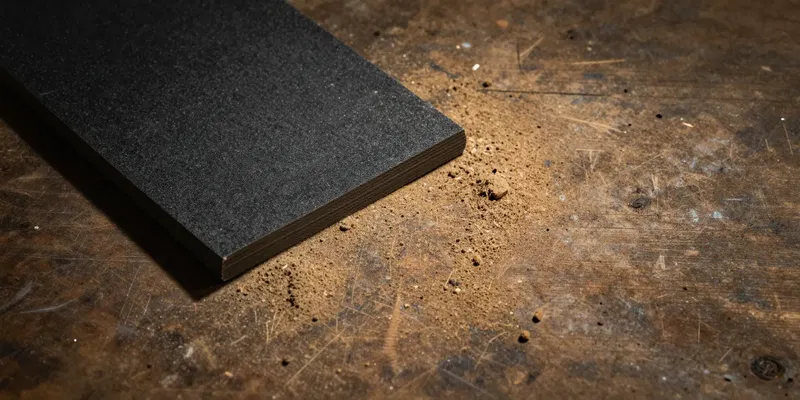
Let's talk about prep. Most furniture finishing tips skip the ugly truth about sanding. You cannot rush it. If you hit your project with 80-grit, jump straight to 220, and call it a day, you are begging for a blotchy stain fix later. Scratches left by coarse paper act like tiny canyons. They trap the pigment. You have to work through the grits. 80, 120, 150, 180. Stop at 180 for most hardwoods, maybe 220 for softwoods. Go any higher and you actually burnish the wood. The pores slam shut. The stain just pools on top.
The Magic Potion You Probably Skipped
Walk into any big box store. They sell pre-stain wood conditioner right next to the stain. Buy it. Use it. It is literally the easiest way to avoid wood staining mistakes. Think of it like primer for paint. You wipe it on. Let it soak for about fifteen minutes. Wipe off the excess. It fills in those thirsty soft spots in the grain. When you apply your stain right after, the color glides on evenly. No dark patches. No erratic stripes. Just a smooth, professional finish that actually looks like the sample on the can.
When Liquid Fails, Get the Gel
Sometimes traditional penetrating stain is a lost cause. Enter gel stain. This stuff sits on top of the wood instead of soaking in. It has the consistency of thick pudding. If you are working in a tight space or dealing with stubborn pine, gel stain is your best friend. You wipe it on, let it tack up, and wipe it off. You have total control over the color depth. Want it darker? Add another coat tomorrow. It masks the erratic grain patterns completely.
How to Rescue an Already Ruined Finish
Too late? The blotches are already there. Take a breath. You can fix this. First option. Grab mineral spirits and a clean rag. Scrub the wood hard. If the stain is still wet, you can lift a lot of the pigment out of those dark spots. Second option. Let it dry completely and break out the orbital sander. You have to sand past the stain penetration. It sucks. It takes time. But it resets the clock. Once you hit raw wood, grab that conditioner and start over.