Why Your Bowls Warp in the Kiln and How to Reduce It
You opened the kiln. Your beautiful bowl—the one you spent forty minutes trimming—looks like it melted in a microwave. The rim wobbles like a cheap plastic plate. You want to scream. But you're not alone. Warped bowls happen to everyone. Even the potters who act like they never mess up. They do. They just don't post those pictures. Here's the thing: clay has a memory. It remembers every uneven push, every thick bottom, every time you rushed through centering. And in the kiln , that memory comes back to haunt you. Gravity and heat gang up on your piece. If the structure isn't balanced, the clay softens and slumps toward its weakest point. Usually, that's exactly where you got lazy.
The Foot Ring Is a Liar
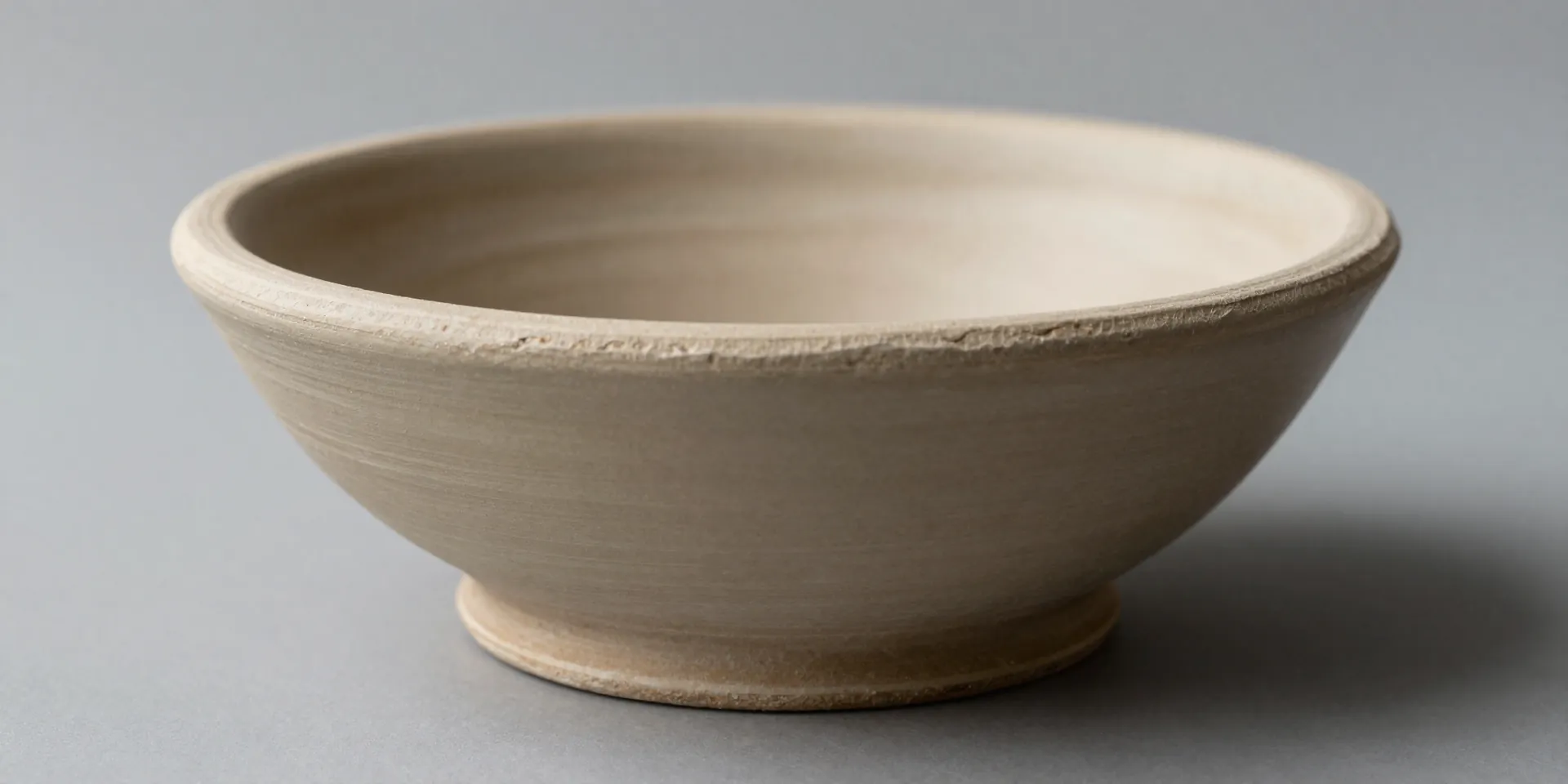
Everyone loves a nice foot ring. It elevates the bowl. Makes it look fancy. But if that foot is too thin, too tall, or—worst of all—not level, you've built a tipping point. Literally. An uneven foot means the bowl doesn't sit flat in the kiln . One side carries more weight. During firing, that side sinks. The rim goes wonky. Boom. Pottery firing problem . Sometimes the foot is perfect, but the wall above it is thicker on one side. The clay doesn't care about your intentions. It moves where physics tells it to. So trim that foot with a level eye. Or better yet, throw a solid, flat bottom and skip the drama. Not every bowl needs to look like it belongs in a museum.
Clay Thickness Is Not a Suggestion
Thin is in. I get it. Everyone wants delicate, lightweight bowls. But here's the catch: uneven walls are a death sentence. If one side is thick and the other is thin, they dry and fire at different rates. The thin side shoots ahead. The thick side lags behind. Stress builds. Then crack. Or warp. Sometimes both. You want bowl shape control ? Throw with consistent pressure. Feel the wall with your fingers. Don't guess. And for god's sake, don't leave a massive hump of clay at the base while the rim is paper-thin. That weight at the bottom is an anchor. When the top shrinks faster, the bottom wins. The bowl goes oval. Or worse.
Where You Park Your Bowl in the Kiln
Kilns have hot spots. Cold spots. Spots where the elements glare at your pottery with pure hatred. If you stuff the kiln like a suitcase, air can't move. Heat hits one side of the bowl harder than the other. Guess what happens? Kiln warping . The side facing the elements expands more. The other side doesn't. The bowl twists. I've seen beautiful forms turn into seashells because someone crammed twelve bowls on a shelf meant for eight. Give your pieces room to breathe. Space them evenly. Use kiln posts that actually match. Wobbly shelves? Fix them. A tilted shelf is basically a slide for your pottery. Fire slower. Seriously. Rushing a firing is like microwaving a steak. You can do it. But why would you?
Wet Clay and Impatience Don't Mix
This one hurts because we're all guilty. You trimmed the bowl. It felt leather-hard. Good enough, right? Wrong. If there's still moisture trapped in the foot or the base, it turns to steam in the kiln . Steam expands. The clay around it moves. Fast. The bowl goes from round to abstract sculpture real quick. Warped bowls often start in the drying phase, not the firing. Dry everything slowly. Evenly. Don't let one side sit in a draft while the other hugs a damp table. Flip your pieces. Let the foot breathe. If you're in a rush, you're not making pottery. You're making future landfill. Harsh? Yeah. But true.
Stop Fighting the Clay
At some point, you have to accept that clay does what it wants. Your job is to make peace with that. Throw even walls. Trim flat bottoms. Dry slowly. Fire evenly. And when a bowl still warps? Shrug it off. Learn from it. The best potters I know have graveyards of wonky bowls. They don't hide them. They study them. Because every warped bowl is a lesson with a tuition fee. Pay attention, and the next one comes out round. Ignore it, and you'll be making potato chips forever. The kiln doesn't lie. It just reveals the truth you missed at the wheel.