How to Attach Table Legs Securely Without Advanced Tools
We’ve all been there. You build or buy a beautiful slab of wood. You prop it up. You lean on it, and the whole thing shakes like a leaf. Frustrating. Most online tutorials will tell you to bust out a domino joiner or a massive router table. Nonsense. You don't need a degree in structural engineering to attach table legs securely. Beginner furniture assembly should actually be, well, for beginners. You just need a few basic hardware store items and a regular power drill. Let's get that table standing firm without emptying your wallet on advanced tools.
Threaded Inserts Are Your Secret Weapon
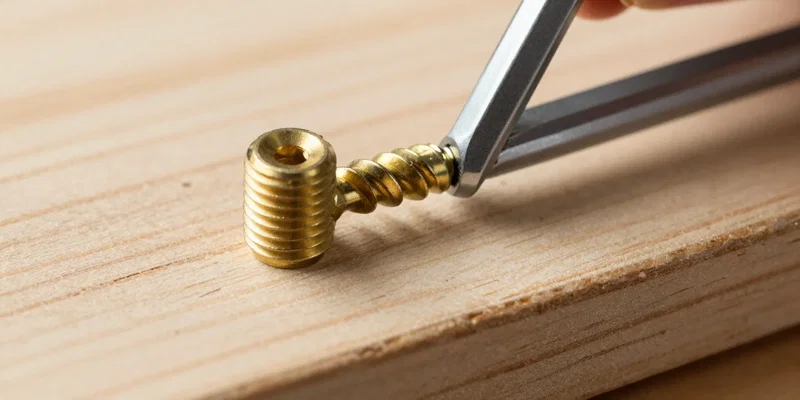
This is my absolute favorite trick. Threaded inserts are basically metal sleeves with threads on the outside and inside. You drill a hole in your table bottom. You twist this little brass marvel into the wood with a hex key. Boom. You now have a permanent metal bolt hole in solid wood. Spin your table legs right in. If you ever need to move apartments, you just unscrew them. No stripped wood. No panic. When it comes to simple woodworking, threaded inserts are as good as it gets.
Top Plates Do the Heavy Lifting for You
Actually, maybe you hate drilling large holes. Fair enough. Enter the mounting plate. These metal squares screw directly into the underside of your tabletop using short, stubby screws. They come in straight or angled versions—perfect for that mid-century modern look. Once the plate is secured to the wood, the leg simply twists onto the center bolt. It takes maybe five minutes per leg. As far as table building tips go, this one saves the most headaches. Just make sure your tabletop is thick enough so those mounting screws don't poke through your beautiful surface.
The Classic Dowel Screw Approach
Sometimes you just want the leg directly against the wood. No plates. No gaps. A dowel screw is a heavy-duty piece of hardware with wood threads on both ends. You drive one half into the center of your table leg. You drill a small pilot hole in the bottom of your table. Then you just twist the leg into the table like a giant bottle cap until it sits tight. It's aggressive. It holds incredibly well for coffee tables and nightstands. Put a tiny drop of wood glue in the hole right before that final twist if you want to make it permanent.
Pocket Holes for Serious Rigidity
Here's the thing about dining tables. People lean back. They bump into them. Plates and dowel screws might eventually give up under that kind of abuse. If you want maximum strength but still want to avoid complicated joinery, buy a cheap pocket hole jig. It's a piece of plastic that guides your drill at a perfect angle. Build a simple square frame (an apron) to attach table legs to, then pocket-screw that entire frame directly to the underside of the table. Slap some wood glue on the joints before you drive the screws home. The wood will actually break before that joint fails.