The Best Moisturizer Ingredients for Fine Lines on Sensitive Skin
If you’re trying to soften fine lines without setting sensitive skin off, the best moisturizer ingredients are usually the boring-sounding ones. That’s not an insult. It’s the point. Skin that reacts easily tends to do better when hydration comes first and irritation stays low. So before you get distracted by trendy anti-aging claims, look for humectants like glycerin, hyaluronic acid, panthenol, and sodium PCA. These pull water into the skin and help it look smoother, bouncier, and less creased from dehydration.
Glycerin is especially underrated. It’s one of the most reliable ingredients in sensitive skin care because it hydrates well, rarely causes drama, and plays nicely with almost everything. Hyaluronic acid can be great too, though not every formula feels the same. If a hyaluronic acid moisturizer leaves your skin tight instead of cushioned, the formula may be too light or missing barrier support. Panthenol is another smart pick because it hydrates and calms at the same time. For fine lines, that matters. A lot of the lines people want to treat are made worse by dryness and irritation, and irritated skin never looks younger.
Ceramides and squalane do the heavy lifting when skin gets fragile
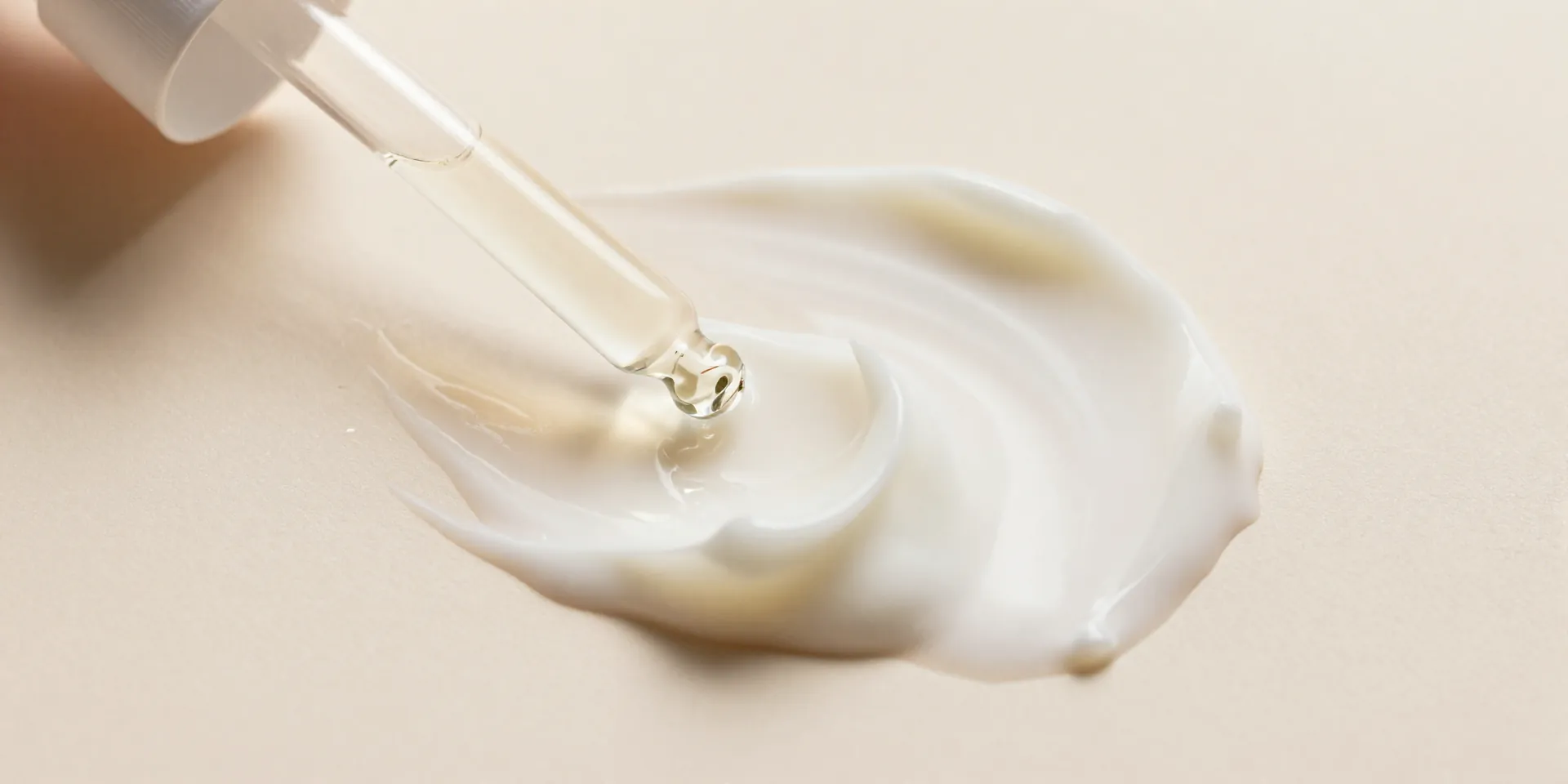
Here’s the thing: anti-aging hydration is not just about adding water. You also need to keep that water from escaping. That’s where ceramides, squalane, cholesterol, and fatty acids earn their place. Ceramides are naturally found in the skin barrier, and when that barrier gets weak, skin tends to sting, flush, and show lines more easily. A moisturizer with ceramides can make skin feel less reactive over time, which is exactly what sensitive skin needs if you want steady improvement instead of a cycle of “better, then angry again.”
Squalane is another standout because it softens without feeling heavy or greasy on most skin types. It’s one of those ingredients that makes a moisturizer feel expensive even when it isn’t. More important, it helps fine lines look less obvious by improving suppleness. Cholesterol and fatty acids are excellent too, especially when paired with ceramides in a formula designed to mimic the skin’s natural lipid balance. If your skin feels thin, tight, or prickly after cleansing, this category of ingredients matters more than any flashy wrinkle claim on the front of the jar.
For actual line-smoothing, peptides and low-irritation niacinamide are the safest bets
Not every anti-aging ingredient belongs in a moisturizer for sensitive skin. Some are effective but too easy to overdo. If you want something that goes beyond basic comfort, peptides are one of the better places to start. They’re not magic, and they won’t erase deep expression lines, but they can support firmer-looking skin and a smoother surface without the sting that comes with stronger actives. In a moisturizer, peptides often work best as part of a bigger support system: humectants, lipids, and soothing ingredients all in the same formula.
Niacinamide can also be useful for fine lines, uneven tone, and barrier support, but this is where nuance matters. Sensitive skin doesn’t always love high percentages. A moisturizer with a moderate amount of niacinamide is often more tolerable than a strong standalone serum. When it’s well formulated, niacinamide helps skin hold onto moisture, look calmer, and gradually appear more refined. That combination is why it shows up so often in good sensitive skin care products. The catch? If you’ve tried niacinamide and hated it, don’t assume the ingredient itself is the villain. Dose and formula texture make a huge difference.
Soothing ingredients matter because inflamed skin shows fine lines faster
A moisturizer meant for fine lines on sensitive skin should not just hydrate and repair. It should calm. Skin that stays a little inflamed all the time tends to look rougher, redder, and older than it needs to. That’s why ingredients like colloidal oatmeal, allantoin, bisabolol, centella asiatica, green tea, and licorice root can be genuinely helpful. They don’t get the same hype as retinoids or acids, but they make the skin more resilient, and resilient skin usually looks better.
Colloidal oatmeal is especially good if your skin veers dry, itchy, or easily irritated. Allantoin is another quiet workhorse that helps reduce that raw, overworked feeling. Centella can be calming for many people, though not every “cica” product is automatically gentle, so the full ingredient list still matters. Green tea and licorice root are nice bonus ingredients when you’re dealing with redness alongside dehydration lines. Basically, if a moisturizer leaves your face feeling instantly “active,” tingly, or hot, it’s probably not the right anti-aging hydration strategy for sensitive skin, no matter how impressive the marketing looks.
Ingredients that often backfire on sensitive skin when the goal is anti-aging hydration
Some ingredients are not bad across the board. They’re just easy to get wrong in this category. Fragrance, essential oils, and heavily perfumed moisturizers are the obvious ones. If your skin is reactive, a nice scent is rarely worth the trade. High levels of denatured alcohol can also be a problem, especially in lighter gel creams that promise a silky finish but leave skin feeling stripped. Then there are strong exfoliating acids in leave-on moisturizers. For some people, those are fine. For sensitive skin already dealing with fine lines and dehydration, they often create a short-lived glow followed by irritation, flaking, and more visible lines.
Retinol in a moisturizer can work, but it’s not always the best first step if your skin is easily upset. A separate gentle retinoid routine can be easier to control than a moisturizer that combines too many jobs in one formula. Watch out for products that pair retinoids with fragrance, strong acids, or a long list of botanical extracts and still call themselves “for sensitive skin.” That label gets tossed around pretty casually. If your skin barrier is fragile, simpler formulas with moisturizer ingredients that support repair will usually outperform complicated ones that promise everything at once.
How to read the label and choose a moisturizer that actually suits your skin
When you’re shopping, don’t get stuck chasing one hero ingredient. Look for a formula that covers four jobs at once: hydrate, seal, soothe, and support the barrier. A strong ingredient list might include glycerin near the top, then ceramides or squalane, plus panthenol, colloidal oatmeal, niacinamide, or peptides depending on your tolerance. Texture matters too. If your skin is very dry or mature, a cream usually does more for fine lines than a light gel. If you’re combination or easily clogged, a lotion with glycerin, squalane, and ceramides may be the sweet spot.
Actually, one of the smartest ways to judge a moisturizer is by how your skin looks at the end of the day, not five minutes after application. Does it still feel comfortable? Does your face look less crinkly around the eyes and mouth? Is the redness lower, not higher? Those are the signs you’re getting real anti-aging hydration instead of a temporary cosmetic blur. For sensitive skin care, consistency beats intensity. A moisturizer you can use twice a day without drama will usually do more for fine lines than an “advanced” formula you have to recover from every third night.